
-
 Health
Climate Change Is Causing Seasonal Allergy Surges
Seasonal allergies are usually caused by pollen, dust mites, temperature changes, UV exposure, and other factors, and are a manifestation of allergic reactions. "Summer and autumn pollen is closely related to asthma. Some patients develop asthma in late July, and their symptoms only completely subside after the temperature drops." Climate change exacerbates allergies and asthma. Climate change leads to increased exposure to environmental allergens, such as increased greenhouse gases, rising global temperatures, and increased pollutants. Another factor is the influence of microorganisms. For example, the skin and nasal microbiota of young Russians are more diverse than those of Finnish populations, and microorganisms can guide gene activation and epigenetic adaptation. Another hypothesis is the epithelial barrier hypothesis, which posits that individuals with impaired epithelial barrier function often experience inflammatory responses within their epithelial cells, releasing various alarm signals that attract pro-inflammatory cell aggregation. The immune mechanisms leading to epithelial barrier dysfunction primarily involve type 2 immune responses, ultimately resulting in the formation of an allergic sensitization state and the occurrence of allergic reactions.
-
 Health
Your Mind Affects Your Body More Than You Think
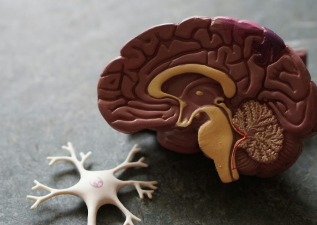
"I am getting better and better every day." Some people recite this sentence several times every day when they wake up and before going to bed. For them, this sentence is not a flowery expression, but a statement that health comes from a positive attitude. When it comes to health, many people experience that a positive attitude will bring benefits to physical health, while a negative attitude may cause illness. It is dangerous for a person to have negative thoughts. In real life, there are examples everywhere of people who have harmed their health because of their inner frustration, hatred, fear or guilt. Therefore, to maintain physical health, we must first get rid of unhealthy thoughts. We must cleanse our minds and get rid of negative thoughts in our hearts for the sake of physical health. Resentment and dissatisfaction often cause illness. If a person is repeatedly frustrated in his job, his mind will send a psychological hint of "sickness" to the body to escape reality.
-
 Health
Is sleep more important than diet?
Maintaining healthy eating habits, regular physical exercise, and adequate quality sleep are key factors in maintaining good health. There is a two-way relationship between healthy eating and sleep. Dietary structure directly affects sleep quality; for example, high-sugar, high-fat, or caffeinated foods can disrupt sleep. Simultaneously, insufficient sleep can trigger hormonal changes, leading to abnormal appetite and metabolic disorders, creating a vicious cycle. Melatonin synthesis, blood sugar stability, and gut health are key factors linking the two.
-
 Health
Are Eco-Friendly Toiletries Safer for Your Skin?
Have you ever thought that brushing your teeth, washing your face, taking a bath, washing your hair, and washing clothes every day, these seemingly daily small actions, are actually exposed to various chemicals unknowingly? Many cleaning products contain petrochemical ingredients. Although they can help us stay clean, these ingredients may pose a potential threat to our health. Imagine that these chemicals enter our bodies through the skin. Long-term accumulation may cause allergic reactions, such as urticaria or psoriasis, or even more serious health problems, such as coughing and asthma.
-
 Health
How Can You Manage Chronic Kidney Disease and Improve Your Health?
Chronic kidney disease (CKD) is a long-term condition where the kidneys gradually lose their function. It can lead to kidney failure if not properly managed. CKD is often referred to as a "silent disease" because symptoms can go unnoticed until the condition is more advanced. In this article, we will explore various treatment options, survival rates, common symptoms, treatment centers in the USA, and prevention strategies for chronic kidney disease.
-
 Health
How Can You Navigate the Treatment and Management of Breast Cancer?
Breast cancer is one of the most common forms of cancer diagnosed in the United States, with millions of women and men affected each year. Despite its prevalence, advances in early detection, treatment, and prevention have significantly improved survival rates. In this article, we’ll explore various breast cancer treatment options, survival rates, common symptoms, and diagnosis procedures, as well as the best treatment centers in the USA.
-
 Health
What Are the Best COPD Injection Options for Severe Cases?
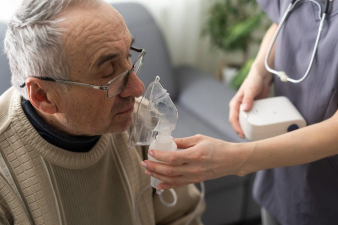
Discover the latest in COPD injection therapy for severe cases with our guide to COPD treatment using injectable medications. Learn how COPD exacerbation prevention injections and maintenance injections can help manage symptoms. Explore your options for advanced stages and find out how to choose the right therapy for you.
-
 Health
Why Your Patio Needs Outdoor Sun Shades: A Complete Guide to Choosing the Best Ones
In scorching summer, enjoying outdoor spaces grows tough with intense sunlight. Outdoor sun shades offer a practical fix, with benefits boosting outdoor living. This article covers their necessity, popular types, and key buying factors.
-
 Health
How to Choose the Right Communication Solution for Your SMB?
In an era where connectivity and efficiency define business success, small and medium-sized businesses (SMBs) face a critical challenge: selecting a communication solution that aligns with their unique needs, supports growth, and integrates seamlessly with existing operations. This guide outlines key steps to navigate the selection process, ensuring your SMB invests in a solution that drives long-term value.
-
 Health
Unlock the Potential of Bank-Owned Homes: Your Guide to Finding the Perfect 1-4 Bedroom Property
Explore a comprehensive guide to bank-owned homes in the US, highlighting a range of properties from cozy 1-bedroom, 2-bedroom, and 3-bedroom residences to expansive 4-bedroom houses. Discover the opportunities and identify a bank-owned property that suits your needs and preferences.
-
 Health
Understanding Dementia Tests: A Comprehensive Overview
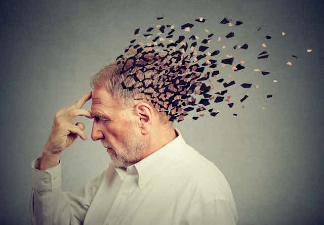
Dementia, a term encompassing a range of cognitive impairments, poses significant challenges to individuals and their families. Accurate identification of dementia through proper testing is crucial for early intervention and effective management. This article provides a detailed exploration of dementia tests, their purposes, common methodologies, and the importance of timely assessment.
-
 Health
Is Italy’s Rail Network the Key to Unforgettable Cultural Immersion?
Italy’s allure lies in its ability to weave history, art, and cuisine into a seamless tapestry. While roads and skies offer passage, Italy’s railways serve as portals to authentic cultural experiences. But how does train travel transform a journey into a profound exploration of the couhow does train travel transform a journey into a profound exploration of the country’s soul?
-
 Health
Is It Safe to Exercise on an Empty Stomach?
Fasting aerobic exercise can be done every day, but it needs to be adjusted according to personal physical condition and exercise intensity to avoid excessive fatigue or injury. Fasting aerobic exercise helps improve fat burning efficiency, but long-term high-intensity fasting exercise may lead to muscle loss, hypoglycemia and other problems. Whether exercising on an empty stomach is harmful depends on individual health conditions and exercise intensity. For healthy individuals, low-intensity exercise on an empty stomach (such as brisk walking or yoga) may help improve fat-burning efficiency, but high-intensity exercise or prolonged fasting may trigger hypoglycemia, dizziness, or muscle breakdown. Individuals with metabolic problems (such as diabetes) or those prone to hypoglycemia should exercise caution.
-
 Health
Why asthma is increasing in urban areas
With the acceleration of global urbanization, more than half of the population lives in cities, and the impact of urban environment on human health is becoming more and more prominent. Asthma, as the most common chronic respiratory disease in the world, is rising at an alarming rate, affecting the lives of about 260 million people. Although the academic community has long confirmed that single environmental factors such as air pollution and lack of green space are related to asthma, they often exist at the same time in reality, and there is little systematic research on the combined effect on the risk of asthma.
-
 Health
Should You Be Worried About Ultra-Processed Foods?
Ultra-processed food refers to food that has been deeply processed and has poor nutritional quality because it is high in salt, trans and saturated fats, sugar, calories, etc., and low in protein, micronutrients and fiber.
-
 Health
Are You Sleeping Enough for Your Brain?
It is almost common sense that adequate sleep is good for health. But many modern people cannot have high-quality sleep. Why is it so difficult to get a good night's sleep? Russell Foster, a professor of neuroscience from the University of Oxford, shared his research in "Perfect Time", using convincing scientific facts to show the amazing impact that different times of the day may have on our health, and proposed the concept of "perfect time" in line with the biological clock to achieve twice the result with half the effort. Biological clock science is not only about sleep, but also affects human cognitive ability, memory, immunity, metabolism, mental illness, etc.
-
 Health
New Research Links Gut Bacteria to Anxiety
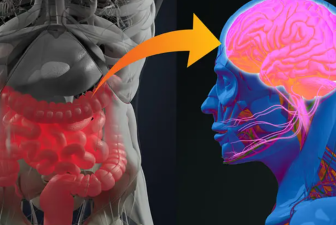
Anxiety is a very common emotional state. The incidence of anxiety disorders has also been on the rise in recent years. Currently, a considerable number of patients with anxiety disorders have poor results under conventional treatment. Recent studies have shown that the diversity and types of intestinal flora are associated with anxiety and depressive behavior. The microbial community in the human intestine is large in number and complex in structure, and is called the second brain of humans. More and more studies have shown that the intestinal microbiome - trillions of microorganisms in the intestine - plays an important role in the immune system and metabolism by providing essential inflammatory mediators, nutrients and vitamins. In addition, intestinal microorganisms can affect brain function and behavior through the flora-gut-brain axis. The human genome consists of about 25,000 genes, but the microbiome in the intestine expresses about 3 million different genes. These genes help build molecules that help us digest food, prevent the proliferation of harmful microorganisms, and even help us feel emotions. Bacteria in the intestine produce about 90% of serotonin, which can regulate mood and promote health. In 2009, when researchers sampled and sequenced the gut bacteria of stressed mice, they found that stressed animals and those more prone to mental health problems had fewer species of gut microbes, or microbiomes.
-
 Health
Plant-Based Diets Are Lowering Cholesterol Levels
Cholesterol is one of the important substances in the human body, with multiple functions such as maintaining cell membrane structure, synthesizing hormones and bile acids. However, high cholesterol levels are closely related to the occurrence of cardiovascular diseases, so maintaining healthy cholesterol levels is essential for preventing cardiovascular diseases. Choosing some healthy foods in your diet can help lower cholesterol levels and further reduce the risk of cardiovascular diseases.
-
 Health
Genetic testing for cancer: Is it worth it?
Genetic testing can analyze the genetic mutation of tumor cells by extracting the patient's genetic information, including whether there are certain specific oncogenes, drug metabolism-related genes, etc. This information is crucial for the diagnosis, prognosis assessment and formulation of treatment plans for tumors. Cancer gene testing is reliable, especially in regular genetic testing companies, which are qualified genetic testing companies. At present, genetic testing for cancer is being carried out because the onset of tumors, especially malignant tumors, is closely related to gene mutation or gene deletion. Malignant tumors are genetic diseases. If the pathogenic gene is found, a breakthrough can be achieved through targeted treatment of the pathogenic gene. At present, in non-small cell lung cancer, melanoma, acute leukemia, lymphoma and other malignant tumors, there are corresponding gene mutations and targeted drugs for mutations. The use of targeted drugs significantly improves the patient's PFS time and total survival time compared with the original treatment methods. Therefore, genetic testing is a prerequisite for tumor treatment. Genetic testing must be done before using targeted drugs, and corresponding targeted drugs can be used only when there are corresponding targets.
-
 Health
Emotional Health Impacts Heart Health
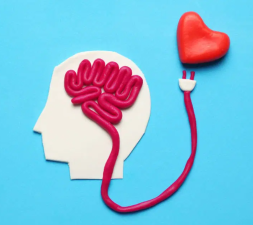
Emotions such as fear and anxiety can speed up the heartbeat, so conversely, if the heartbeat speeds up, will it cause anxiety or fear? We all know that there is a connection between emotions and physical sensations: when you hear a scary sound, the hair on your arms will stand up; when you hear bad news, you will have a sinking feeling in your gut. But is it the emotions that manipulate the body, or the body that manipulates the emotions? According to two preliminary studies to be presented at the 2023 American Heart Association Annual Scientific Sessions, the heart and brain are closely connected, and depression, anxiety and chronic stress can increase the risk of heart and brain complications.
-
 Health
Sugar-free isn’t always healthier
In this era of pursuing healthy eating, "sugar-free" foods seem to have become the new favorite of many people. Whether it is sugar-free drinks, sugar-free biscuits, or sugar-free yogurt and sugar-free chocolate, these foods under the banner of "sugar-free" are emerging in the market, attracting the attention of many consumers. However, are "sugar-free" foods really as healthy as advertised by merchants?
-
 Health
Are Cold Showers Really Good for You?
Cold showers, that is, bathing with water at a lower temperature, do have a series of potential benefits for the body, including enhancing resistance, promoting blood circulation, improving metabolism, relieving muscle pain and inflammation, improving mood and sleep quality, etc. However, it should be noted that the effect varies from person to person, and it needs to be carefully selected according to personal constitution and health status.
-
 Health
More Young Adults Are Seeking Therapy
With the widespread dissemination of scientific concepts, whether through media, popular science articles, or school education, people are gradually recognizing the concept of "mental colds" and understanding that psychological problems are not fundamentally different from physical problems; both are common and treatable. This shift in perception means that people no longer view psychological problems as a weakness of will or a "character flaw." This change reflects a profound transformation in the mindset of the younger generation. As their material needs are met, they increasingly value the richness of their spiritual world and the enhancement of their inner experiences. Young people are no longer satisfied with a mundane life, but yearn to live a life that is clear, insightful, and meaningful.