
New Research Links Gut Bacteria to Anxiety
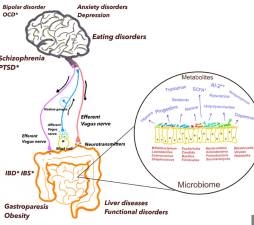
Anxiety is a very common emotional state. The incidence of anxiety disorders has also been on the rise in recent years. Currently, a considerable number of patients with anxiety disorders have poor results under conventional treatment. Recent studies have shown that the diversity and types of intestinal flora are associated with anxiety and depressive behavior. The microbial community in the human intestine is large in number and complex in structure, and is called the second brain of humans. More and more studies have shown that the intestinal microbiome - trillions of microorganisms in the intestine - plays an important role in the immune system and metabolism by providing essential inflammatory mediators, nutrients and vitamins. In addition, intestinal microorganisms can affect brain function and behavior through the flora-gut-brain axis. The human genome consists of about 25,000 genes, but the microbiome in the intestine expresses about 3 million different genes. These genes help build molecules that help us digest food, prevent the proliferation of harmful microorganisms, and even help us feel emotions. Bacteria in the intestine produce about 90% of serotonin, which can regulate mood and promote health. In 2009, when researchers sampled and sequenced the gut bacteria of stressed mice, they found that stressed animals and those more prone to mental health problems had fewer species of gut microbes, or microbiomes.
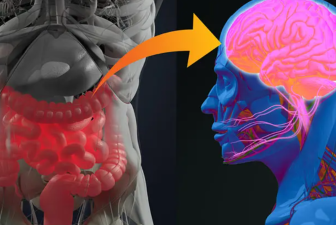
Gut bacteria: the "psychologist" in the body
Supplement probiotics in moderation to adjust the intestinal flora
Regulate the spleen and stomach first to reduce the "anxiety factor"
If intestinal flora can regulate emotions, can increasing "good bacteria" make emotions more stable?
- Yogurt:
- Kimchi, natto:
- Brown rice, oats:
Good work and rest to avoid harming intestinal flora
- Keep exercising:
- Reduce high-sugar and high-fat diets:
-
 Health
Climate Change Is Causing Seasonal Allergy Surges
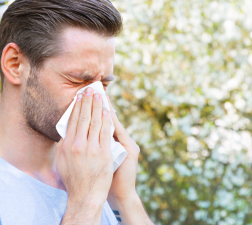
Seasonal allergies are usually caused by pollen, dust mites, temperature changes, UV exposure, and other factors, and are a manifestation of allergic reactions. "Summer and autumn pollen is closely related to asthma. Some patients develop asthma in late July, and their symptoms only completely subside after the temperature drops." Climate change exacerbates allergies and asthma. Climate change leads to increased exposure to environmental allergens, such as increased greenhouse gases, rising global temperatures, and increased pollutants. Another factor is the influence of microorganisms. For example, the skin and nasal microbiota of young Russians are more diverse than those of Finnish populations, and microorganisms can guide gene activation and epigenetic adaptation. Another hypothesis is the epithelial barrier hypothesis, which posits that individuals with impaired epithelial barrier function often experience inflammatory responses within their epithelial cells, releasing various alarm signals that attract pro-inflammatory cell aggregation. The immune mechanisms leading to epithelial barrier dysfunction primarily involve type 2 immune responses, ultimately resulting in the formation of an allergic sensitization state and the occurrence of allergic reactions.
-
 Health
Your Mind Affects Your Body More Than You Think
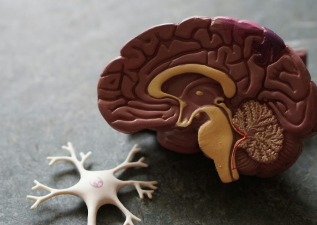
"I am getting better and better every day." Some people recite this sentence several times every day when they wake up and before going to bed. For them, this sentence is not a flowery expression, but a statement that health comes from a positive attitude. When it comes to health, many people experience that a positive attitude will bring benefits to physical health, while a negative attitude may cause illness. It is dangerous for a person to have negative thoughts. In real life, there are examples everywhere of people who have harmed their health because of their inner frustration, hatred, fear or guilt. Therefore, to maintain physical health, we must first get rid of unhealthy thoughts. We must cleanse our minds and get rid of negative thoughts in our hearts for the sake of physical health. Resentment and dissatisfaction often cause illness. If a person is repeatedly frustrated in his job, his mind will send a psychological hint of "sickness" to the body to escape reality.
-
 Health
Is sleep more important than diet?
Maintaining healthy eating habits, regular physical exercise, and adequate quality sleep are key factors in maintaining good health. There is a two-way relationship between healthy eating and sleep. Dietary structure directly affects sleep quality; for example, high-sugar, high-fat, or caffeinated foods can disrupt sleep. Simultaneously, insufficient sleep can trigger hormonal changes, leading to abnormal appetite and metabolic disorders, creating a vicious cycle. Melatonin synthesis, blood sugar stability, and gut health are key factors linking the two.