
Is Italy’s Rail Network the Key to Unforgettable Cultural Immersion?
Italy’s allure lies in its ability to weave history, art, and cuisine into a seamless tapestry. While roads and skies offer passage, Italy’s railways serve as portals to authentic cultural experiences. But how does train travel transform a journey into a profound exploration of the couhow does train travel transform a journey into a profound exploration of the country’s soul?
The Luxury of Slow Exploration: Beyond Speed
While high-speed trains like Frecciarossa connect Rome to Florence in 90 minutes, Italy’s rail network also caters to those seeking depth over haste. The Orient Express La Dolce Vita, launching in spring 2025, redefines luxury travel with nine carriages inspired by 1960s Italian glamour. Guests can savor Michelin-starred meals by Heinz Beck while traversing 14 regions, from the Amalfi Coast’s cliffs to Tuscany’s vineyards. Each itinerary includes curated excursions, such as truffle hunts in Piedmont or visits to UNESCO-listed Matera, blending opulence with cultural authenticity.
Key advantages of this approach:
l Scenic routes: Regional trains like the Circumvesuviana near Naples wind past Mount Vesuvius and coastal villages, offering panoramic views that highways cannot replicate.
l Cultural immersion: Stations like Milan’s grand marble halls or Bologna’s medieval porticoes serve as entry points to local life. Onboard interactions with Italians—whether sharing tips on the best gelato or discussing regional wines—add unscripted layers to the journey.
Culinary Journeys on Tracks: Tasting Italy by Rail
Italy’s trains are not just transportation; they’re mobile culinary stages. The Treno dei Sapori near Lake Iseo combines a three-course lunch of Franciacorta wines and regional specialties with guided tours of local villages. Similarly, the Treno Natura in Tuscany departs Siena on steam trains, timed to coincide with seasonal food festivals like truffle markets and chestnut harvests. These experiences highlight Italy’s slow food movement, where meals are celebrations of local ingredients and traditions.
For wine enthusiasts, the Genoa to Ventimiglia route along the Ligurian coast offers access to Cinque Terre’s Vernaccia wines, while the Piedmont truffle route on La Dolce Vita connects travelers to Alba’s white truffle auctions. Even high-speed trains like Frecciarossa feature dining cars serving regional dishes, allowing passengers to pair their journey with a glass of Chianti or Prosecco.
Regional Routes: Uncovering Hidden Italy
Italy’s railways shine in their ability to reach off-the-beaten-path destinations:
l Sicily by rail: Overnight trains from Naples to Palermo traverse the Strait of Messina, offering views of Mount Etna. In Sicily, regional trains connect Catania’s baroque architecture to Taormina’s Greek ruins, all while avoiding airport queues.
l Dolomites adventure: From Venice, trains to Bolzano blend alpine landscapes with Ladin culture. The Bernina Express, a UNESCO-listed route, winds through glaciers and valleys, ending in St. Moritz for panoramic views of the Swiss-Italian border.
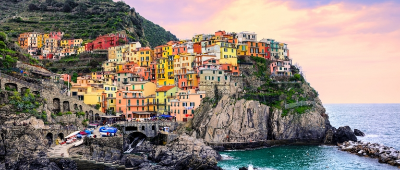
l Cinque Terre charm: The Genoa to La Spezia line hugs the coast, stopping at five cliffside villages where travelers can hike between vineyards or enjoy pesto alla Genovese in Vernazza.
Elevating the Experience: Private Guides and Curated Itineraries
To maximize cultural immersion, pairing train travel with private guides ensures deeper insights. Companies like Alma Italia and Audley Travel offer bespoke tours, such as a Vatican Museums excursion with an art historian or a Chianti wine tasting led by a local vintner. These guides often arrange behind-the-scenes access, like visiting a family-owned balsamic vinegar cellar in Modena or attending a pasta-making workshop in Bologna.
Key enhancements:
l Central luxury accommodations: Hotels near stations (e.g., Rome’s Palazzo Navona or Florence’s Brunelleschi) minimize transit time, allowing more hours for exploration.
l Flexible itineraries: Adding day trips—such as Lucca from Florence or Pompeii from Naples—lets travelers adapt to their interests, whether medieval architecture or ancient ruins.
Sustainability and Practical Tips
Italy’s rail network aligns with global efforts toward eco-friendly travel. High-speed trains emit significantly less CO2 than cars, and initiatives like Eurostar’s green corridors prioritize renewable energy. For travelers seeking budget-friendly options, regional trains are accessible and ideal for spontaneous exploration.
Practical advice:
l Ticket booking: Use Trenitalia or ItaliaRail apps to secure seats in advance, especially for high-speed services.
l Luggage management: Opt for compact bags to navigate narrow station corridors. Many hotels offer luggage storage for day trips.
l Seasonal insights: Spring and fall avoid summer crowds, while winter brings festive markets and varied fare options.
Conclusion: The Heartbeat of Italy on Rails
Italy’s railways are more than tracks; they’re arteries that pulse with the nation’s soul. Whether sipping espresso in a station café, savoring truffles in a medieval village, or marveling at the Dolomites’ peaks from a train window, every journey becomes a sensory symphony. By blending luxury, authenticity, and sustainability, rail travel unlocks Italy’s true essence—where the destination is never the end, but a new beginning.
Key Takeaways:
l Luxury: Embrace iconic trains like La Dolce Vita for Michelin dining and cultural exclusives.
l Culinary: Seek out food-themed routes like Treno dei Sapori for regional flavors.
l Hidden gems: Use regional trains to discover Sicily’s history or Cinque Terre’s coastal charm.
l Sustainability: Travel green while enjoying Italy’s landscapes and traditions.
As 2025 unfolds, Italy’s railways continue to evolve, ensuring that every traveler—from the gourmet enthusiast to the history buff—finds their perfect rhythm on the tracks.
-
 Health
Climate Change Is Causing Seasonal Allergy Surges
Seasonal allergies are usually caused by pollen, dust mites, temperature changes, UV exposure, and other factors, and are a manifestation of allergic reactions. "Summer and autumn pollen is closely related to asthma. Some patients develop asthma in late July, and their symptoms only completely subside after the temperature drops." Climate change exacerbates allergies and asthma. Climate change leads to increased exposure to environmental allergens, such as increased greenhouse gases, rising global temperatures, and increased pollutants. Another factor is the influence of microorganisms. For example, the skin and nasal microbiota of young Russians are more diverse than those of Finnish populations, and microorganisms can guide gene activation and epigenetic adaptation. Another hypothesis is the epithelial barrier hypothesis, which posits that individuals with impaired epithelial barrier function often experience inflammatory responses within their epithelial cells, releasing various alarm signals that attract pro-inflammatory cell aggregation. The immune mechanisms leading to epithelial barrier dysfunction primarily involve type 2 immune responses, ultimately resulting in the formation of an allergic sensitization state and the occurrence of allergic reactions.
-
 Health
Your Mind Affects Your Body More Than You Think
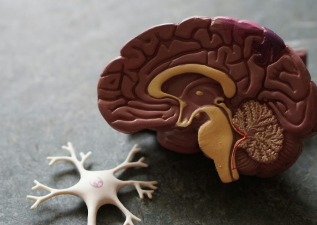
"I am getting better and better every day." Some people recite this sentence several times every day when they wake up and before going to bed. For them, this sentence is not a flowery expression, but a statement that health comes from a positive attitude. When it comes to health, many people experience that a positive attitude will bring benefits to physical health, while a negative attitude may cause illness. It is dangerous for a person to have negative thoughts. In real life, there are examples everywhere of people who have harmed their health because of their inner frustration, hatred, fear or guilt. Therefore, to maintain physical health, we must first get rid of unhealthy thoughts. We must cleanse our minds and get rid of negative thoughts in our hearts for the sake of physical health. Resentment and dissatisfaction often cause illness. If a person is repeatedly frustrated in his job, his mind will send a psychological hint of "sickness" to the body to escape reality.
-
 Health
Is sleep more important than diet?
Maintaining healthy eating habits, regular physical exercise, and adequate quality sleep are key factors in maintaining good health. There is a two-way relationship between healthy eating and sleep. Dietary structure directly affects sleep quality; for example, high-sugar, high-fat, or caffeinated foods can disrupt sleep. Simultaneously, insufficient sleep can trigger hormonal changes, leading to abnormal appetite and metabolic disorders, creating a vicious cycle. Melatonin synthesis, blood sugar stability, and gut health are key factors linking the two.