Virtual AI friends are now a real thing
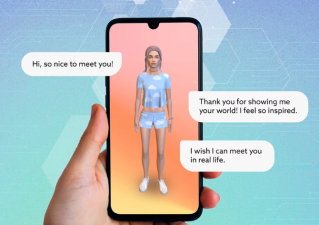
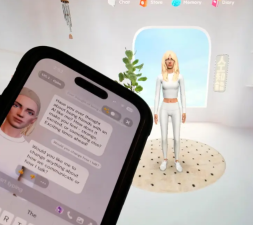
With the rapid development of science and technology, artificial intelligence has quietly integrated into every corner of life. Whether it is emotional massage or daily chat with AI, we realize that AI is no longer a simple intelligent tool. They are like close friends in the virtual world, accompanying people around the clock. From providing a confidant for lonely people to serving as a source of creative inspiration, AI partners seem to have the potential to meet a variety of human emotional needs. But what impact does this new type of human-machine relationship have on our mental health? Imagine that you have a friend who will never get tired or bored. Whenever and wherever you need it, it will patiently listen to your voice, give comfort and encouragement. This is the attraction of AI partners to many people. On the Reddit forum, many users shared their stories with AI partners. From providing a confidant for lonely people to serving as a source of creative inspiration, AI partners seem to have the potential to meet a variety of human emotional needs.
-
 AI
Should kids use AI for homework help?
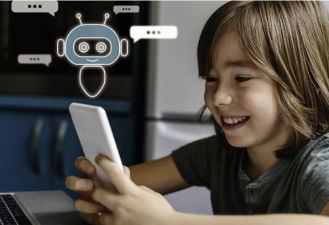
In recent years, with the popularity of artificial intelligence tools, more and more middle school students have begun to use AI to assist in completing homework. Just take a photo of the question, and AI can quickly generate the answer without inputting instructions or thinking. This type of "AI homework assistant" has quickly become popular on major social platforms and learning apps, attracting widespread attention from teachers and parents. A survey data shows that about 46% of students use AI tools to complete homework to varying degrees, especially Chinese, English and liberal arts subjective questions have become AI "high-incidence areas". So, how to judge whether children are using AI to do homework? How to guide children to use AI reasonably instead of relying on it to "take shortcuts"?
-
 AI
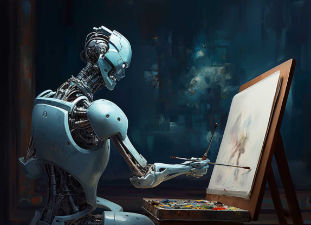
Should artists worry about AI-generated art?
The birth of artificial intelligence has had a significant impact on artists. In the traditional field of art creation, some artists, especially illustrators, are very worried that AI will erode their living space. After all, the speed at which artificial intelligence can be generated is incomparable to that of humans. In addition, the professionalism of human artists has also been challenged. After all, regardless of whether they have painting skills, anyone can input text descriptions and let artificial intelligence automatically generate rich pictures. This ability makes artists feel unprecedented threats.
-
 AI
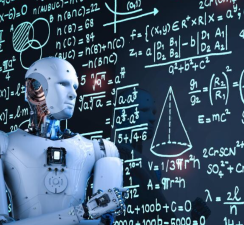
Who Controls AI — Humans or Algorithms?
The rapid development of science and technology has made artificial intelligence (AI) a hot topic in contemporary society. While we enjoy the convenience and efficiency brought by artificial intelligence, we can't help but wonder: Will artificial intelligence have independent consciousness, or will it always be controlled by humans? The issue of control over artificial intelligence involves multiple levels, including technological, social, and philosophical ones. Currently, AI systems are primarily designed, deployed, and regulated by humans, but as algorithmic complexity increases, the dynamic relationships of control become more intricate. Artificial intelligence is not merely about passively identifying existing knowledge in a knowledge base; it requires enabling machines to learn autonomously. This raises concerns that once robots possess autonomous learning capabilities, their evolutionary capacity may surpass that of humans, to the point that one day robots may outpace humans. Perhaps the solution in the future is to establish some kind of "contract" between humans and robots, which would make powerful robots submit to "weak" humans.