10 Must-Master Camping Skills: Survive, Thrive, and Conquer the Great Outdoors
Camping is a dance with nature—exciting but unpredictable. To make the most of your trip, organize your skills around the rhythm of a wilderness adventure: pre-trip prep, camp setup, safety protocols, and leaving no trace. Here’s how to master each phase.
Pre-Trip Prep: Lay the Groundwork
Before hitting the road, these steps prevent disasters.
· Check restrictions first: Apps like Recreation.gov or park websites flag fire bans (common in dry seasons) and bear-proof container requirements (mandatory in Yosemite and Rockies backcountry).
· Pack smart: Include a NOAA weather radio (for storm alerts), EPA-approved water purifier (LifeStraw or Aquamira tablets), and a first-aid kit with blister pads and emergency whistle (3 blasts = distress signal).
· Map your route: Download topo maps of your trail—cell service fails fast in remote areas like the Appalachians. Mark water sources and campsites; practice using a compass at home.
Setting Up Camp: Comfort Meets Safety
A well-built camp balances coziness and caution.
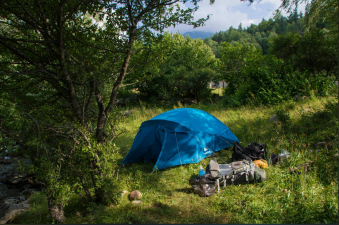
· Choose the right spot: Avoid low-lying areas (flash flood risk) and stay 200+ feet from streams. Clear debris before pitching your tent—rocks under the floor ruin sleep.
· Pitch with purpose: Stake tents at 45-degree angles, use guylines in wind, and test rainflies for leaks. For bear country, set up cooking zones 100+ yards from sleeping areas.
· Prep for dusk: Lay out gear while light lasts. Use red-light headlamps to preserve night vision, and pre-organize a kitchen bin with utensils and matches. Dig a 6-inch latrine pit 200+ feet from water for bathroom needs.
Staying Safe: Wilderness Survival Basics
Nature’s curveballs demand quick thinking.
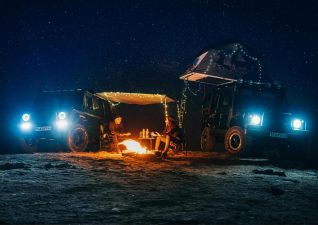
· Fire sense: Build pits 6 inches deep, ringed with rocks, and clear 10 feet of dry brush. Drown ashes until cool—never leave embers. In fire-restricted areas, a portable stove is your best friend.
· Water wisdom: 3 million Americans get sick yearly from untreated water. Boil for 1 minute (3 at 6,500+ feet) or use filters. Treat Appalachian Trail water post-rain—bacteria spike.
· Weather smarts: Anvil-shaped clouds mean thunderstorms—seek shelter immediately. A sudden cold wind often signals rain; pack layers (moisture-wicking base + windproof outer) for mountain chills.
· Wildlife know-how: Store food in bear-proof containers. Raccoons and squirrels sneak into soft coolers—hard-sided bins work better. Keep 25+ yards from most animals, 100+ from bears.
Leaving No Trace: Protecting the Outdoors
Preserve the wilderness for future trips with these habits.
· Pack out all trash—even banana peels (they decompose slowly in wilderness soil).
· Stay on marked trails to avoid damaging fragile ecosystems, especially in sensitive areas like the Smokies.
· Bury human waste 6–8 inches deep, 200+ feet from water. Use biodegradable soap far from streams.
Master these phases, and you’ll turn any camping trip into a smooth adventure. The outdoors rewards preparation—so gear up, stay alert, and savor the journey.
-
 Elections
Third Parties Are Gaining Ground Again
The reason why the United States has not formed a third party is mainly due to the design of its political system and the particularity of its electoral system. The two-party system is deeply rooted, and the Democratic Party and the Republican Party have a solid foundation in all aspects such as politics, economy, and society. In addition, the single-member district election method makes it difficult for small parties to gain enough support, resulting in voters often choosing major parties with a chance of winning rather than small parties. This situation further suppresses the development space of the third party, making it difficult for it to gain a foothold nationwide. Coupled with the disadvantages of resources such as funds and media coverage, small parties are even more difficult to compete. In short, historical, institutional and realistic factors jointly affect the party structure in the United States, and it is difficult for a third party in the true sense to emerge.
-
 Elections
The Youth Vote May Have Tipped the Scale
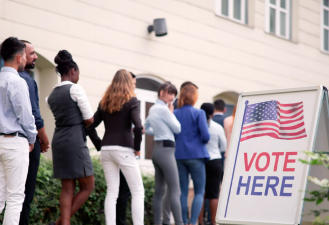
Young people's voting plays an important role in political and social change, especially in some key elections or referendums. For example, in the Brexit referendum, although the proportion of people who want to leave the EU increases with age, young people as a whole tend to stay in the EU, which shows their influence in determining the direction of society.
-
 Elections
Are Election Laws Getting Stricter or Smarter?
In the current American political environment, the complexity of democracy is becoming more and more obvious, especially in the context of the 2024 election. In order to explore this complex situation in depth, this article aims to analyze the evolution of American election laws, voter behavior patterns, and the future direction of democracy. The mentioned ballots, voter turnout, and the role of Latino voters are all important factors that affect election results and the health of democracy.