
Hybrid learning models are rising
In the "Internet +" era, the traditional face-to-face one-way transmission teaching model of schools can no longer meet the needs of students in the digital age. With the sound of the future school fantasy, blended learning (Blended Learning) that combines the advantages of traditional classrooms and online learning is gradually becoming the mainstream teaching organization method.
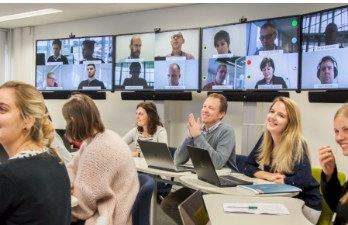
Definition and development of blended teaching
Types of hybrid teaching models
Impact of hybrid teaching model
Promotion of higher education reform
Promotion of students' deep learning
Promotion of teacher role transformation

Implementation strategy of hybrid teaching mode
Building intelligent teaching environment
Improving teachers' information technology capabilities
Implementation of teaching activities in cloud environment

Establish an information-based teaching strategy
-
 Education
Should schools teach financial literacy?
With the globalization of the economy and the complexity of the financial market, the importance of financial knowledge has become increasingly prominent. However, most people currently have very limited knowledge of basic financial knowledge, their personal financial management capabilities are generally weak, and there are even many investment fraud cases, which have caused considerable losses to individuals and society. Therefore, improving the financial literacy of the whole people, popularizing financial education, and cultivating the awareness of financial management of the whole people have become urgent issues to be solved.
-
 Education
Mental Health Is Now Part of the Curriculum
In recent years, adolescent mental health issues have frequently become the focus of social attention. From school bullying to academic pressure, from parent-child conflicts to social anxiety, children's psychological distress is becoming increasingly complex and younger.The mental health problems of adolescents have attracted strong social attention in recent years. It is essential to leverage the main channel of classroom teaching, accelerate the development of mental health courses, and enable students to master mental health knowledge and skills. Increase publicity and education efforts, popularize mental health knowledge, adhere to the combination of education and service, and view mental health issues scientifically and rationally, fostering students' awareness of self-help, mutual assistance, and seeking help. Increase investment and improve the professional level of school mental health education and service teams; not only should the number of practitioners be increased, but their training and continuing education should also be strengthened.
-
 Education
Is a gap year still a smart choice?
Taking a gap year is challenging, but it is likely to be a wise move. What is a gap year? A gap year is a year spent outside of school, usually during high school or college.In terms of time, a gap year includes not only the one-year gap between high school graduation and university admission, as mentioned by Representative Pan Xiangli, but also the gap between undergraduate graduation and graduate school admission. More broadly, a gap year also refers to a period after graduation and before entering the workforce where one is not in a rush to enter society and can take a break. During a gap year, students can temporarily deviate from their established path, switching their lifestyle through study tours, volunteer work, off-campus internships, etc., and gaining self-awareness through "emptying their minds." Simply put, it's about figuring out the next step in life.